The Complete Guide to Deck Maintenance: Preserve Your Investment in Perfect Condition
Preserving a deck is crucial for preserving its beauty and functionality. Routine maintenance can avoid major deterioration and expensive fixes. Residents often overlook minor issues that, if handled quickly, can boost the total value of their real estate. This article offers important information on upkeep, evaluations, and picking the correct sealant products. Recognizing the specific requirements of various materials is critical. Which particular measures ensure a deck stays in optimal shape?
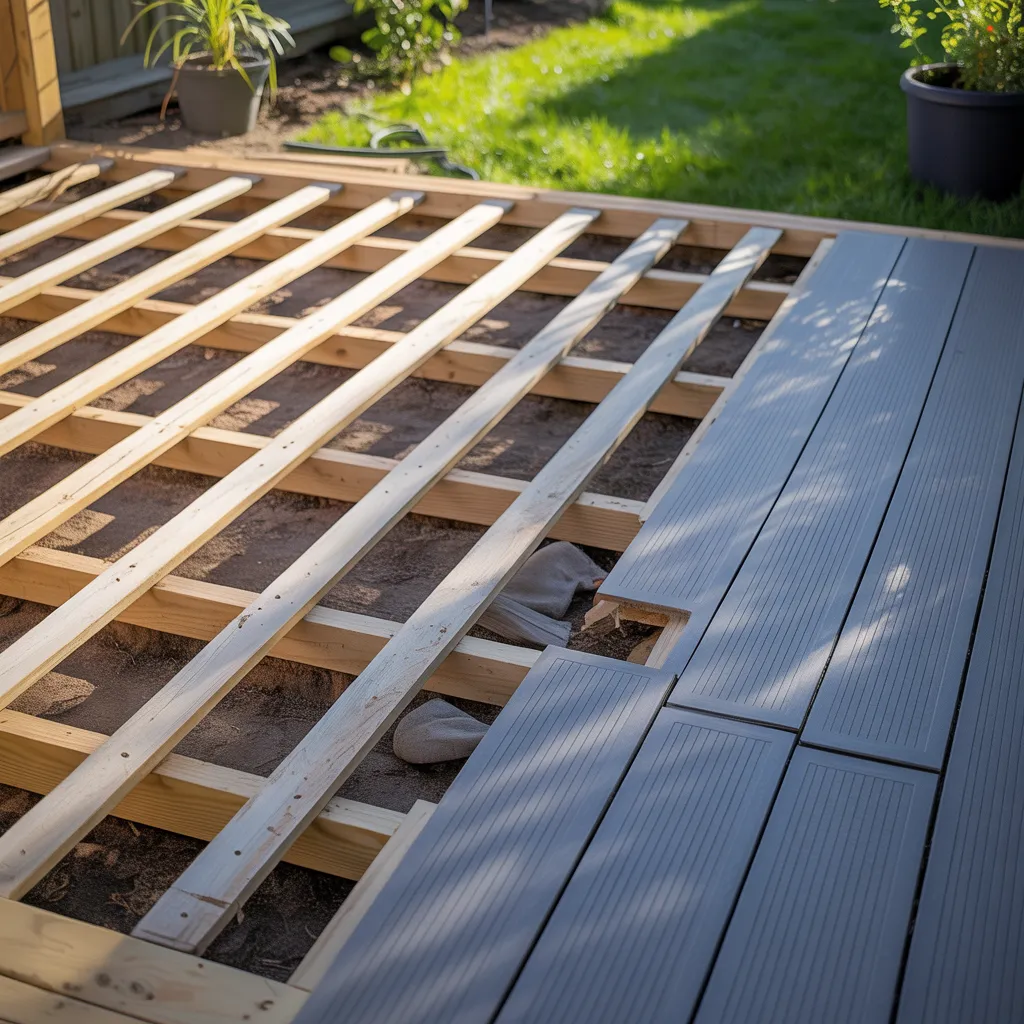
Important Deck Maintenance: The Importance and Where to Begin
When homeowners fail to maintain their decks, they risk significant deterioration that can lead to costly repairs. Consistent maintenance is necessary to extend the life of a deck and preserve its visual appeal. Over time, exposure to the elements can cause wood to warp, rot, or develop mold, compromising structural integrity. Furthermore, neglecting to resolve small concerns in a timely manner can develop into serious complications requiring significant repairs or full replacement.
To begin, homeowners should establish a consistent maintenance routine that involves examining the deck for indications of wear and aging. Basic duties, such as removing debris and inspecting for loose boards, can avoid more significant problems. Applying protective coatings and sealants can also improve resistance against harsh weather. By prioritizing deck maintenance, homeowners not only preserve their investment but also establish a welcoming outdoor area for loved ones and guests to appreciate.
A Step-by-Step Guide to Cleaning Your Deck
A thorough cleaning of the deck is essential for its upkeep and longevity. As a first step, the space should be free of furniture and debris to allow convenient access to all areas. Next, a broom or blower can be used to remove leaves, dirt, and dust. After that, a blend of warm water and a compatible deck cleaner ought to be administered, either manually or using a pressure washer adjusted to a low setting to minimize the risk of damage.
Working with a firm-bristled brush works to remove stubborn stains and dirt. After thoroughly scrubbing, it is vital to flush the deck with clean water to remove any residue from the cleaner. For best results, the deck should be allowed to dry completely. This approach not only enhances the deck's appearance but also sets it up for any upcoming maintenance treatments, guaranteeing the wood stays protected and visually appealing.
Deck Upkeep: Selecting the Best Sealant
Following a thorough deck cleaning, picking the correct sealant plays a vital role in preserving its condition and look. A wide range of sealant options exist, including penetrating, surface, and film-forming options. Penetrating sealants are absorbed into the wood fibers, offering thorough defense against moisture damage, while surface sealants create a protective layer that defends against sun damage and general wear.
When selecting a sealant, considerations like climate, wood type, and desired finish should be taken into account. For example, softer woods may demand a more pliable sealant to accommodate expansion and contraction. Additionally, the durability and upkeep needs of each sealant type can influence the decision. Some sealants require reapplication every few years, while others deliver more durable protection. Ultimately, selecting the right sealant not only boosts the deck's overall appearance but also increases its durability, making sure the investment continues to pay off for years ahead.
Spotting and Addressing Common Deck Problems
Those who own decks commonly experience numerous typical challenges that can impact both functionality and appearance. A frequently occurring concern is timber deterioration, which results from long-term moisture infiltration. Detecting weakened areas through regular inspections allows for timely intervention; replacing damaged boards is crucial to maintain structural integrity.
One other typical problem includes squeaky or unstable boards, commonly stemming from general deterioration. Securing screws or swapping out fasteners can address these problems, boosting comfort and overall safety. Moreover, cracks and splinters can develop over time, posing a risk of injury. Applying a proper sealant and sanding down rough surfaces can minimize the likelihood of injury.
Finally, mold and mildew development can detract from a deck's aesthetic appeal. Routine cleaning using suitable products will ensure surfaces remain spotless. Through proactive identification and resolution of these concerns, deck owners can guarantee the longevity and visual appeal of their outdoor spaces.
Important Factors for Seasonal Deck Care
Periodic deck care demands diligent effort to avoid damage caused by weather and to maintain the deck's integrity. Establishing a regular cleaning and sealing schedule is critical for protecting the surface and extending its lifespan. By keeping these aspects in mind, homeowners can guarantee their decks remain safe and visually appealing throughout the year.
Preventing Weather-Related Damage
As climate conditions change across the seasons, homeowners must prioritize preventive measures to safeguard their decks against possible damage. In winter, snow and ice accumulation can lead to moisture-related issues, which means effective drainage and regular snow removal are critical. During spring, heavy rains may cause wood to swell or warp; therefore, keeping gutters free of debris helps channel water away effectively. Intense summer sunlight can cause surface fading and cracking, making it prudent to consider shade options such as umbrellas or canopies. Throughout autumn, leaves that collect on the deck can hold moisture and promote mold formation; routine cleaning is absolutely essential. By tackling these seasonal obstacles in advance, homeowners can considerably increase their deck's longevity while sustaining its attractive appearance.
Cleaning and Sealing Schedule
Keeping a deck in good shape requires more than just guarding against weather-related deterioration; routine cleaning and sealing serve as vital elements of a successful maintenance plan. Shifting seasons call for a structured cleaning routine to eliminate dirt, mold, and mildew, all of which can degrade the deck's surface. Typically, thorough cleaning should occur in spring and fall, utilizing a gentle cleanser and a power washer for best results.
Beyond cleaning a sealant safeguards the wood from moisture and sun damage. Applying a sealant is generally advised every 2 to 3 years, based on the deck's exposure to weather conditions. Homeowners should monitor the deck's condition; indications of wear may require more regular sealing. By sticking to this routine, the durability and visual appeal of the deck can be greatly increased.
Deck Maintenance: Key Differences Between Wood and Composite
Understanding the critical differences between wood and composite decking is vital for optimal maintenance and extended lifespan. Wood decking, though beautiful to look at, necessitates regular maintenance, including sealing and staining to guard against moisture and sun damage. Over time, wood may warp and splinter, demanding restoration or replacement.
By comparison, composite decking is crafted from a mixture of wood fibers and plastic, offering improved resistance to harsh weather conditions and pests. This type of decking doesn't require staining or sealing, greatly reducing maintenance demands. Nevertheless, it could still benefit from periodic cleaning to prevent mold and mildew accumulation.
While wood can be sanded to remove imperfections, composite decking is unable to be refinished in the same fashion. Each type has unique maintenance needs, making it important for homeowners to understand these differences to ensure their deck stays in optimal condition for years to come.
Five Important Tips to Increase Your Deck's Lifespan
Durability is a primary consideration for any deck owner, as a well-maintained deck not only enhances outdoor enjoyment but also protects the investment made in it. To prolong a deck's lifespan, consistent cleaning is critical; clearing away dirt, debris, and mold helps prevent decay. Additionally, adding a coat of sealant or stain periodically forms a strong shield against moisture and UV rays.
Examining the deck regularly for indications of deterioration, such as unstable boards or valuable resource oxidized hardware, facilitates early repairs, preventing further damage. It is also advisable to avoid placing plants and furniture on the deck's surface to minimize moisture accumulation, which can result in rot. Lastly, using proper drainage systems guarantees that water does not pool, safeguarding the underlying structure. By applying these five key guidelines, deck owners can greatly extend the life of their outdoor investment.
Common Questions and Answers
How Regularly Should I Examine My Deck for Damage?
Decks should be inspected at least twice a year, preferably during the spring and fall seasons. Consistent evaluations for damage, wear, and problems caused by moisture are essential for upholding structural integrity and maximizing the longevity of the deck.
Can I Paint Over My Sealed Deck?
Painting over a sealed deck is indeed possible, but it requires proper preparation. The surface needs to be thoroughly cleaned and lightly sanded to guarantee adhesion. Compatible products are essential for achieving long-lasting results.
What's the Best Time of Year for Deck Maintenance?
The ideal time for deck maintenance is spring or early fall. Throughout these periods, temperatures are pleasant, reducing the risk of extreme weather interference, and allowing for effective cleaning, sealing, and painting without adverse conditions.
Do Eco-Friendly Deck Cleaning Options Exist?
There are indeed several environmentally friendly deck cleaning solutions available, such as biodegradable commercial cleaners, vinegar, and baking soda. These options are effective at removing grime and mildew without increasing the impact on the environment and ensuring the safety of nearby plants and wildlife.
How Do I Enhance My Deck's Drainage System?
To optimize deck drainage, ensure the correct slope leading away from the structure, set up drainage channels, keep gutters free of debris, and look into using permeable materials. Regular maintenance, such as removing debris, additionally promotes water flow and helps avoid pooling.